
4 Common Oral Issues That Preventive Dentistry Helps You Avoid
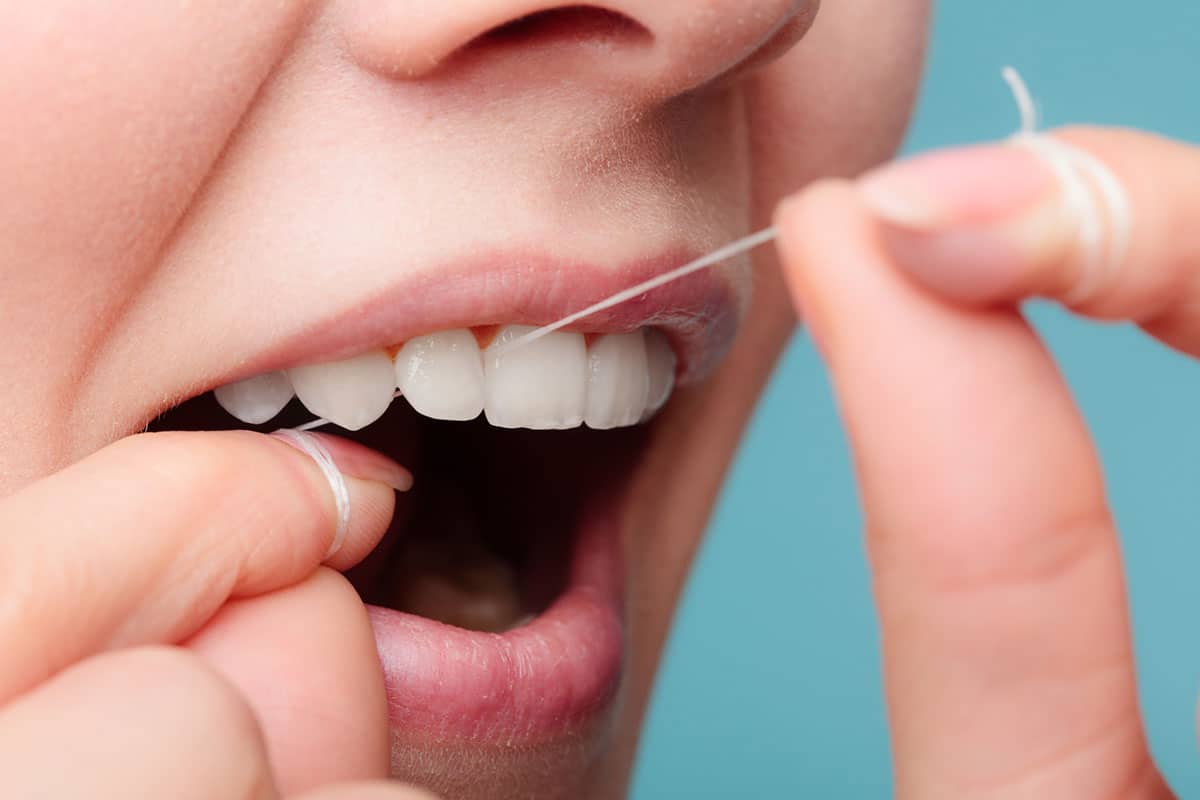
You might be feeling a little uneasy about your teeth right now. Maybe you have some sensitivity when you drink something cold, or you have bleeding when you floss, or you are worried that you keep needing fillings no matter how often you brush. You might even be wondering where to find a reliable dentist in Tallahassee. It can feel frustrating and a bit defeating. You try to do the “right” things, yet the dental chair still feels like a place where bad news shows up.end
Because of this tension, you might wonder if there is anything you can do that truly changes the pattern, instead of just reacting when something hurts. That is where preventive dental care for common oral problems becomes so important. The goal is simple. Catch issues early, or stop them before they start, so you avoid pain, emergencies, and big bills later.
This is the heart of what a general dentist focuses on. Regular checkups, cleanings, and small habit changes at home can help you sidestep four of the most common oral health problems. Tooth decay, gum disease, enamel wear, and infections that lead to tooth loss. You do not need to become a dental expert. You just need to understand what is happening in your mouth and what you can do about it.
Why Do Problems Keep Showing Up Even When You Brush?
You might brush twice a day and still feel like you are “always at the dentist.” A cavity here, a deep cleaning there, maybe a crown that you did not see coming. It can feel like you are doing your part and your mouth is letting you down.
Part of the problem is that many oral issues are silent at first. You do not feel a cavity in its early stages. You do not feel your gums starting to pull away from your teeth. By the time you notice pain or swelling, the problem has usually moved from a simple fix to something more involved and expensive.
According to the Centers for Disease Control and Prevention, tooth decay and gum disease are among the most common chronic conditions, yet they are largely preventable. That is the strange truth. These problems are incredibly common, but they are not inevitable.
So where does that leave you? It means you are not “bad” at caring for your teeth. You probably just have not been given clear, realistic guidance about what actually prevents the most common oral issues. Once you understand what you are up against, preventive dentistry starts to make a lot more sense.
Issue #1: Tooth Decay And Cavities That Keep Coming Back
Tooth decay starts quietly. Bacteria in your mouth feed on sugars and starches from food, create acids, and those acids slowly dissolve your enamel. At first, it is just a soft spot. Over time, it becomes a cavity. Many people do not feel anything until the decay reaches deeper into the tooth.
Here is the emotional side. Each new cavity can feel like a personal failure. You might think, “I am brushing, so why does this keep happening?” That shame can make you delay appointments, which only makes the problem worse.
Preventive dentistry interrupts this spiral. Regular exams, X-rays when needed, fluoride treatments, and sealants for deep grooves in the back teeth all help stop early decay from turning into full cavities. A general dentist can spot weak areas long before you feel pain, and simple changes like adjusting how often you snack or what you drink between meals can make a real difference.
Issue #2: Gum Disease That Starts With Bleeding And Ends With Tooth Loss
Gum disease often starts with something you may have brushed off as “normal.” A little bleeding when you floss, puffy gums, or bad breath that does not go away. It may not hurt much, so it is easy to ignore.
Over time, though, plaque and hardened tartar along the gumline trigger inflammation. Gums pull away from teeth, creating pockets where more bacteria can hide. According to the CDC’s information on gum and periodontal disease, this process can quietly damage the bone that supports your teeth. That is when teeth become loose and may eventually be lost.
The financial and emotional cost here can be heavy. Advanced gum disease can mean deep cleanings, surgery, and possibly dentures or implants. It is not only about your smile. Gum disease is also linked with other health conditions, which can add more stress.
Preventive care changes the story. Routine cleanings remove plaque and tartar that brushing and flossing miss. A general dentist can measure your gums, track changes, and treat early gum problems before they threaten your teeth. Daily habits like careful brushing at the gumline and consistent flossing, done the right way, support that professional care.
Issue #3: Enamel Erosion And Tooth Wear That Lead To Sensitivity
Maybe you wince when you drink something cold or hot. That sharp twinge usually means your enamel is thinning or worn. This can come from acidic drinks like soda and energy drinks, frequent snacking, grinding or clenching your teeth, or even brushing too hard.
Once enamel is worn away, it does not grow back. That can be a scary thought. You might feel like the damage is done and there is nothing you can do.
Preventive dentistry focuses on protecting what you have. Your dentist can identify patterns of wear early, suggest a softer brushing technique, recommend less acidic options, or fit you with a night guard if you grind your teeth. Fluoride and other treatments can help strengthen weakened enamel. The earlier this is addressed, the less likely you are to need fillings, crowns, or root canals later.
Issue #4: Infections And Abscesses That Turn Into Emergencies
An untreated cavity, crack, or deep gum pocket can allow bacteria to reach the inside of the tooth or the supporting bone. That is when an infection or abscess can develop. At this point, you are not just uncomfortable. You might be in severe pain, unable to sleep, and urgently calling for an emergency appointment.
These situations are stressful and often expensive. They can require root canal treatment, extractions, or other urgent procedures. Many of these emergencies started as small, manageable problems that went unnoticed or were postponed.
Regular checkups, X-rays, and cleanings are the quiet work that prevents these crises. Preventive dentistry for common oral diseases is really about avoiding that 2 a.m. pain that feels impossible to ignore. When you stay ahead of problems, treatment tends to be simpler, more comfortable, and far easier on your budget.
How Does Preventive Care Compare To “Wait Until It Hurts” Care?
You might wonder if preventive visits are worth the time and money, especially if you are not in pain right now. It can help to compare the two approaches side by side so the tradeoffs are clearer.
| Approach | Short-Term Experience | Typical Costs Over Time | Stress Level | Common Outcomes |
| Preventive dental visits | Brief cleanings and exams a few times a year | Smaller, predictable costs for checkups and minor treatments | Lower. Fewer surprises and emergencies | Fewer cavities, healthier gums, less need for major work |
| “Wait until it hurts” care | Longer, urgent visits when pain is severe | Higher, unpredictable bills for root canals, crowns, or extractions | Higher. Pain, missed work, and rushed decisions | More tooth loss, more complex procedures, higher long-term risk |
Research from the National Institute of Dental and Craniofacial Research on oral hygiene supports what many people eventually discover. Consistent care and simple daily habits usually cost less and hurt less over the years than waiting for problems to explode.
Three Steps You Can Take Right Now To Protect Your Mouth
You do not need to overhaul your entire life to benefit from preventive dentistry. A few focused steps can start to shift you out of crisis mode and into control.
1. Schedule a checkup, even if you feel embarrassed or overdue
If it has been a while, you might feel nervous or ashamed. That is very common. A good general dentist has seen every stage of oral health and is there to help, not judge. Call and schedule a routine exam and cleaning. Mention any sensitivity, bleeding, or concerns so they know what to look for.
2. Tighten up one daily habit, not all of them at once
Start with one change you can actually stick with. For example, brush twice a day for two minutes with fluoride toothpaste, or commit to flossing every night, or cut back on sipping sugary or acidic drinks throughout the day. Once that feels natural, you can add another habit. Small, steady changes protect your teeth far better than short bursts of perfection.
3. Ask your dentist for a simple, personal prevention plan
At your next visit, ask your dentist or hygienist to walk you through your specific risks. Where do they see early signs of decay or gum problems. Do you show signs of grinding. They can suggest targeted steps like fluoride treatments, sealants, a night guard, or a different brushing technique that match your mouth, not just general advice.
Moving Forward With More Confidence And Less Fear
You do not have to live in constant worry about what the next dental visit will uncover. When you understand how tooth decay, gum disease, enamel wear, and infections start, you can work with your dentist to stop them early. That is the real power of preventive dental care. Fewer surprises, fewer emergencies, and a mouth that feels comfortable and reliable.
The next step is simple. Reach out to a trusted general dentist, book a preventive visit, and be honest about what you are experiencing and what you are afraid of. With the right guidance and a few steady habits, you can move from reacting to problems to preventing them, and that shift can make every future appointment feel a little less scary and a lot more hopeful.


