
Gynecomastia vs Chest Fat: How to Tell the Difference
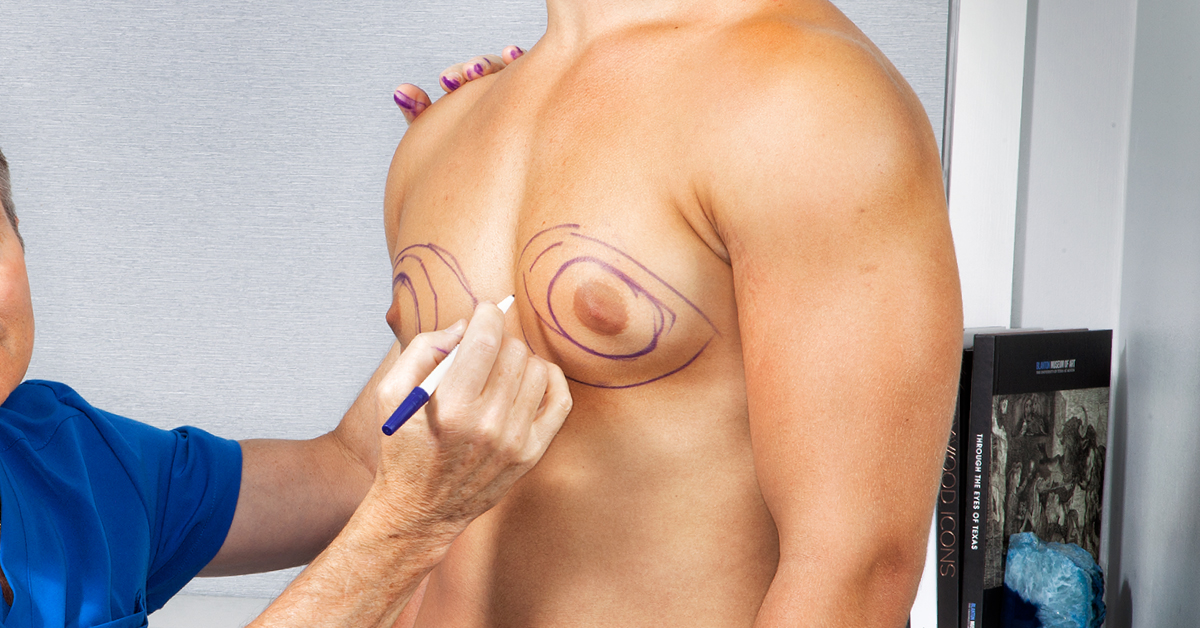
Many men notice extra tissue in their chest and wonder whether they have a medical condition or simply extra body fat. Both can look similar from the outside, but they differ fundamentally in cause, tissue type, and treatment. Getting the diagnosis right separates a solution that works from months of wasted effort. Consulting a cosmetic surgeon Charlotte NC residents trust is often the fastest way to get that clarity.
What Is Gynecomastia?
Gynecomastia is the benign growth of glandular breast tissue in men, caused by an imbalance between estrogen and androgen activity. It peaks at three life stages: infancy, puberty, and older adulthood. Data shows it affects 50% to 60% of adolescents and up to 70% of men aged 50 to 69. It may appear in one or both breasts, sometimes unevenly, and the tissue is glandular, not fat.
Common causes include:
- Hormonal imbalance (low testosterone or elevated estrogen)
- Certain medications, including antidepressants, blood pressure drugs, and spironolactone
- Substances such as alcohol, marijuana, and anabolic steroids
- Underlying health conditions, including liver disease, hyperthyroidism, and hypogonadism
What Is Chest Fat (Pseudogynecomastia)?
Chest fat, medically termed pseudogynecomastia, is an accumulation of adipose tissue in the pectoral region due to overall body fat, not hormones. There is no glandular component. The chest may look fuller or droopier, but the tissue feels identical to fat on the abdomen or thighs.
Chest fat can partially respond to diet and exercise. Gynecomastia will not.
Key Differences
| Feature | Gynecomastia | Chest Fat (Pseudogynecomastia) |
|---|---|---|
| Tissue type | Glandular breast tissue | Adipose (fat) tissue |
| Texture | Firm, rubbery, or hard lump | Soft, similar to stomach fat |
| Nipple tenderness | Common; can be painful | Rare |
| Shape | Round, defined, breast-like | Saggy, diffuse, no clear shape |
| Responds to diet/exercise | No | Partially, with consistent effort |
| Cause | Hormonal imbalance | Excess body weight |
| Treatment | Surgery (excision/liposuction) | Diet, exercise, or liposuction |
How to Tell the Difference: Four Key Checks
While only a physician can give a definitive diagnosis, four practical checks can point you in the right direction.
1. The texture test
Chest fat feels soft, identical to fat anywhere on your body. Gynecomastia feels firmer and rubbery. Clinical evaluation guidelines describe a disc-shaped mass beneath the nipple that can be pinched away from surrounding fat. A hard lump directly under the areola is a strong indicator of glandular tissue.
2. The pain and tenderness check
Gynecomastia causes nipple sensitivity and tenderness. Chest fat is generally painless. Soreness around the nipple area makes gynecomastia significantly more likely.
3. The shape and symmetry check
Chest fat appears saggy and evenly spread with no distinct boundary. Gynecomastia presents as a rounder, more defined mound resembling female breast tissue, sometimes affecting only one side.
4. The diet and exercise test
If your chest has not changed despite genuine weight loss while other body areas have slimmed down, that is a telling sign. Surgical research consistently confirms that glandular tissue does not shrink with lifestyle changes, while fat does.
Treatment Options
For chest fat (pseudogynecomastia):
- Caloric deficit and strength training to build pectoral definition
- Reduced alcohol and processed food intake
- Targeted liposuction Charlotte NC surgeons offer for fat deposits that resist lifestyle changes
For gynecomastia:
- Treating the underlying hormonal cause or adjusting medications
- Medications such as tamoxifen or aromatase inhibitors in early-stage cases
- Surgery, the gold-standard treatment for persistent gynecomastia; gynecomastia surgery Charlotte NC patients undergo uses liposuction, glandular excision, or both
Pubertal gynecomastia often resolves within two years; surgery is deferred until hormonal development is complete.
Ready to Get a Clear Answer?
If you have been second-guessing your chest for months, you deserve a real answer. At Ditesheim Cosmetic Surgery, Dr. Jeffrey Ditesheim and our team in Charlotte, NC bring over 25 years of experience to a dedicated Charlotte Gynecomastia Center built around men’s needs. Beyond gynecomastia, we provide tummy tuck Charlotte NC procedures, Breast Augmentation Charlotte NC services, and the care of a lipedema specialist Charlotte NC patients trust. We offer free virtual consultations so you can talk through your situation from home. Book yours today.
Frequently Asked Questions
Can I have both gynecomastia and chest fat at the same time?
Yes. Obesity elevates estrogen through aromatization, where fat tissue converts testosterone into estrogen, triggering glandular growth on top of existing fat. Only a physician examination can reliably determine which tissue you are dealing with.
Will losing weight fix gynecomastia?
No. Weight loss will not eliminate glandular tissue. It may reduce surrounding fat and slightly flatten the chest, but the breast tissue remains. Losing fat can sometimes make glandular tissue more visible by removing the padding around it.
Does gynecomastia go away on its own?
Pubertal gynecomastia often resolves within six months to two years as hormones stabilize. In adult men, it rarely disappears without intervention. Once the tissue becomes fibrous, surgery is typically the only effective option.
Is gynecomastia surgery safe?
Yes, when performed by a board-certified plastic surgeon. Most patients return to light activity within one to three days. Liposuction, glandular excision, and Renuvion skin tightening deliver lasting results with minimal scarring.
At what age should gynecomastia be treated surgically?
Surgery is appropriate once hormonal development is complete, generally after age 17 or 18. Earlier treatment risks recurrence. There is no upper age limit for adult men, though overall health is assessed at consultation.


