
Physio Exercises You Can Do at Home to Improve Posture Issues
Maintaining good posture is essential for overall health, helping to prevent back pain, muscle tension, and long-term spinal issues. Many posture-related problems develop due to poor sitting habits, weak muscles, or imbalances caused by everyday activities. Engaging in physiotherapy exercises at home can strengthen the muscles that support good posture, reducing discomfort and improving mobility.
Stretching for Flexibility and Alignment
Tight muscles can contribute to poor posture by pulling the body out of alignment. Regular stretching can improve flexibility and help restore a neutral posture. Simple exercises such as chest openers can counteract the effects of slouching by loosening tight pectoral muscles. Lying on the floor with a rolled-up towel placed along the spine and letting the arms relax outward encourages better shoulder positioning. Similarly, stretching the hip flexors helps relieve lower back strain, making it easier to maintain an upright stance.
Strengthening Core Muscles for Stability
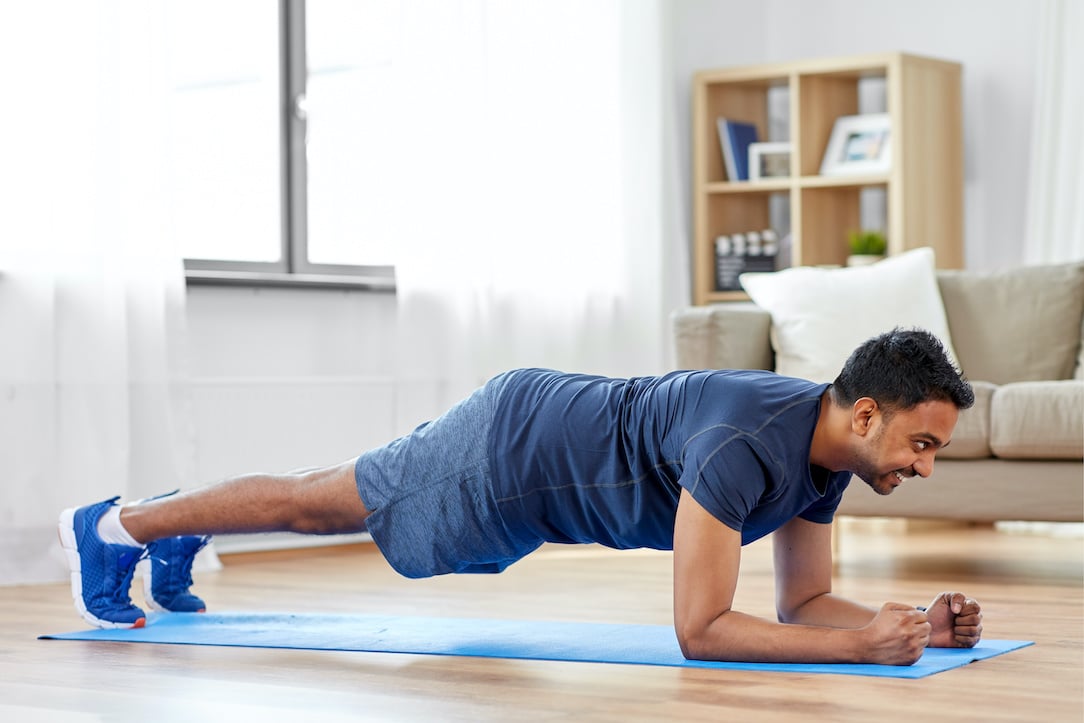
The core muscles play a vital role in maintaining an upright posture. Weak abdominal muscles can lead to a forward-leaning posture and strain on the lower back. Engaging in exercises that strengthen the core can enhance spinal stability. Bridges are an effective way to activate the glutes and lower back muscles while also engaging the core. Holding a plank position for short intervals strengthens deep abdominal muscles and improves overall stability.
Targeting the Upper Back and Shoulders
Poor posture often results from rounded shoulders and a weak upper back. Strengthening the muscles between the shoulder blades can help retract the shoulders and maintain a better alignment. Rows using resistance bands or lightweight dumbbells encourage the activation of these muscles. Practising wall angels, where the back remains flat against a wall while moving the arms up and down in a controlled motion, reinforces correct shoulder positioning and helps prevent forward hunching.
Improving Neck and Head Positioning
Prolonged use of digital devices often leads to a forward head posture, placing strain on the neck and upper back. Simple exercises can encourage better head positioning and reduce tension. Chin tucks involve gently drawing the chin inward while keeping the head level, helping to realign the cervical spine. Neck stretches can also relieve stiffness, particularly when combined with deep breathing techniques.
Engaging in Posture Awareness Throughout the Day
Incorporating posture-friendly habits into daily routines can prevent the recurrence of alignment issues. Setting reminders to adjust posture while sitting, using ergonomic seating arrangements, and taking regular movement breaks can reduce the likelihood of slouching. Standing tall with the shoulders relaxed and the weight evenly distributed between both feet encourages better posture habits over time.
Building Consistency for Lasting Improvements
Performing these exercises regularly can lead to noticeable improvements in posture and overall well-being. Combining stretching, strengthening, and awareness techniques ensures a balanced approach to posture correction. Taking small, consistent steps towards better alignment can reduce discomfort, prevent long-term complications, and promote a healthier, more confident stance.


