
Why This Common Dental Habit Is Costing Patients More Than They Think
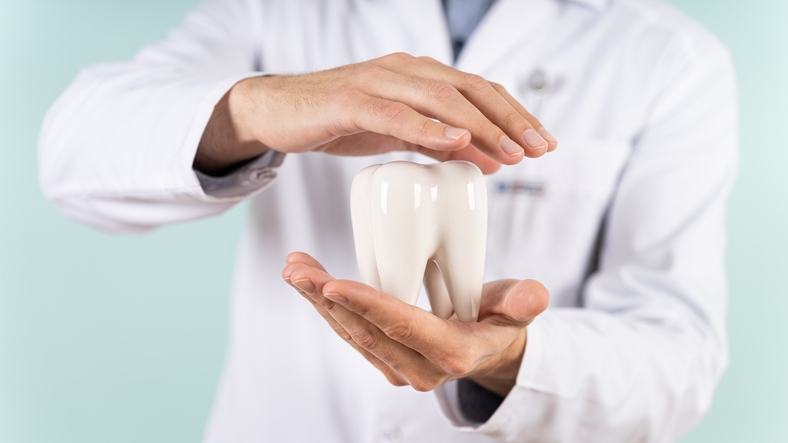
Teeth grinding rarely looks urgent at first. It is one of those habits people brush off for months, sometimes years. A sore jaw in the morning, the odd headache, a bit of tooth sensitivity, maybe a partner mentions a grinding noise at night. None of it seems dramatic on its own. The problem is that bruxism, which includes grinding and clenching, can quietly wear teeth down and lead to damage that is far more expensive to manage later. Symptoms can include jaw pain, headaches, worn or broken teeth, sensitivity, and disturbed sleep.
It Often Starts Without Much Warning
A lot of patients do not realise they grind their teeth until a dentist spots the signs. Sleep bruxism can happen without any awareness at all, while daytime clenching often shows up during stress, intense concentration, commuting, or even while working at a desk. It is not always loud or dramatic. Sometimes it is just a habit of holding the jaw tense for long periods.
That is one reason a visit to a dentist Annandale can be useful even when the symptoms seem minor. Small changes in the bite, faint wear on the enamel, or tiny cracks along the edges of teeth are easier to catch in a chair than in a bathroom mirror.
The Real Cost Is Usually Slow and Cumulative
Grinding does not just affect one part of the mouth. It can flatten tooth edges, chip enamel, loosen fillings, and place ongoing pressure on the jaw muscles. The cost builds because the problem tends to repeat night after night. Enamel lost through wear does not grow back, and ongoing grinding can make teeth more vulnerable to sensitivity and breakage. Bruxism is also associated with sore jaw muscles, facial pain, and symptoms that overlap with temporomandibular disorders, particularly when stress is in the mix.
Patients are often surprised by the range of treatment that may be needed once the damage adds up. What starts as one cracked filling can turn into replacement restorations, protective splints, repair work for chipped teeth, and management for persistent jaw discomfort. That is where the financial side starts to sting.
The Habit Does Not Always Stay in The Mouth
One of the more frustrating parts of teeth grinding is that the symptoms do not always feel dental. Some people wake with a dull headache and blame poor sleep. Others think earache, facial tightness, or temple pain must be sinus related. Jaw clicking and difficulty opening the mouth fully can also appear over time. These are common complaints in people with jaw strain and bruxism-related tension.
When people search for dental Annandale, they are often thinking about a chipped tooth, a clean, or a check-up. They may not connect recurring headaches or sore jaw muscles with a dental habit that has been building in the background.
Early Signs Are Easy to Miss
A few signs tend to show up before serious damage occurs:
- tenderness around the jaw on waking
- teeth that feel more sensitive to cold or sweet foods
- flattening or shortening of the tooth edges
- headaches around the temples
- clicking or tightness when chewing
- fillings or dental work that seem to wear out sooner than expected
None of these automatically means severe damage is present, but they do suggest it is worth getting assessed. If daily jaw pain, chipped teeth or ongoing headaches are already happening, professional advice should not be left too long.
Why Waiting Can Make Treatment More Complicated
The longer grinding continues, the less likely it is that one simple fix will solve everything. A night guard may protect teeth from further wear, but it cannot rebuild enamel that has already been lost. Worn teeth may eventually need bonding, crowns, or other restorative work. If the jaw is already irritated, there may also need to be a separate plan for easing muscle tension and protecting the bite going forward. Treatment for bruxism can include a custom mouthguard or bite splint, repair of tooth damage, and addressing contributing factors such as stress.
An Annandale dental clinic will usually look at the whole picture rather than only one damaged tooth. That broader view matters, because fixing the symptom without addressing the habit can mean the same problem comes back.
Knowing When to Act
There is also the practical issue of timing. A cracked tooth or a broken filling caused by grinding can turn into a same-day problem, especially if pain suddenly spikes or chewing becomes difficult. Severe tooth pain, swelling, fever, or signs of infection need urgent assessment.
That is when an emergency dentist Annandale may become necessary, even though the underlying habit had been building quietly for a long time.
For patients looking for dentist near me Annandale after months of putting it off, the best outcome is often to come in before the damage turns urgent. Grinding may seem like a minor habit, but it can carry a bigger cost than expected. Catching it early is usually easier on the teeth, the jaw, and the budget.


