How Long Do Dental Implants vs Bridges Last? A Cost-vs-Value Guide
Missing teeth affect more than your smile. They can change how you chew, speak and feel. When comparing a dental implant with a bridge, the real question is: “Which option is likely to serve me better over the next 10, 15 or 20 years?”
How Each Treatment Works
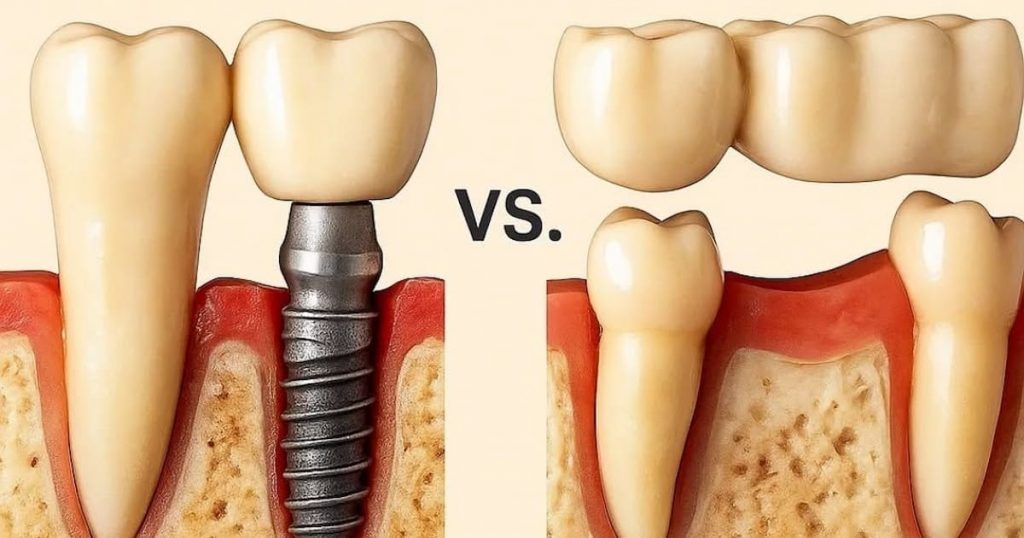
A dental bridge fills a gap by attaching an artificial tooth to the natural teeth beside it. These supporting teeth are usually reshaped and crowned, even when they are otherwise healthy. A bridge can often be completed faster than an implant.
A dental implant works differently. A titanium post is placed in the jawbone, then a crown is attached once the area has healed. The replacement tooth stands on its own rather than depending on neighbouring teeth. For patients looking at Dental Implants Melbourne, that independence is often a key reason implants are discussed.
How Long Do They Usually Last?
Traditional bridges often last about 10 to 15 years with good care, although some need repair or replacement sooner if the supporting teeth develop decay, gum problems or cracks. The bridge may look strong, but its future depends on the teeth holding it in place.
Dental implants tend to last longer. The implant fixture in the bone can last 20 years or more when placed well and maintained properly. The crown attached to it may wear earlier, often after 10 to 15 years.
Cost Versus Value
The upfront price of a bridge is usually lower. In Australia, fees vary based on the number of teeth replaced and materials used. A single implant often costs more because it includes planning, surgery, implant components and the final crown.
When researching Dental implants cost Melbourne, look past the headline figure. A lower-cost option is not always poor value, and a higher fee is not automatically better. Value depends on maintenance, lifespan and whether nearby teeth are affected.
A Simple Comparison
| Factor | Dental Bridge | Dental Implant |
|---|---|---|
| Typical lifespan | Around 10 to 15 years | Implant fixture often 20 years or more |
| Effect on nearby teeth | Usually reshapes adjacent teeth | Does not rely on adjacent teeth |
| Treatment time | Often faster | Longer due to healing |
| Upfront cost | Usually lower | Usually higher |
| Maintenance | Special cleaning under bridge | Similar to caring for a crown and gums |
When A Bridge May Suit You
A bridge can make sense when the neighbouring teeth already need crowns. In that case, using them to support a bridge may solve more than one issue. It may also suit patients who cannot have implant surgery due to medical, bone or budget reasons.
Some people prefer a shorter treatment path. If surgery feels stressful, a bridge may feel more manageable. The trade-off is that the supporting teeth need ongoing protection. Once reshaped, they will always need crowns.
When an Implant May Offer Better Value
An implant is often worth considering when the teeth beside the gap are healthy. It avoids cutting them down and gives the jawbone functional stimulation, which can help maintain bone in the area.
Patients comparing the cost of dental implants Melbourne should also think about future replacement costs. If a bridge fails after 10 or 12 years, the next treatment may be more complex. An implant is not risk-free, but it can protect the surrounding teeth from unnecessary work.
What Affects Lifespan?
Neither treatment is fit-and-forget. The result depends on daily habits, bite pressure and regular dental care.
Common factors include:
- Gum health and plaque control
- Smoking or vaping
- Teeth grinding or clenching
- The amount and quality of jawbone
- The crown or bridge material
- Regular professional check-ups
Patients searching for dental implants near me should ask whether the consultation includes 3D imaging, bite assessment and a clear maintenance plan. These details can affect the final result as much as the restoration itself.
Questions to Ask Before You Decide
Before choosing, ask your dentist:
- Are the teeth beside the gap healthy?
- Do I have enough bone for an implant?
- What is included in the quoted fee?
- How long should this option last in my mouth?
- What maintenance will I need each year?
- What happens if the treatment fails?
A good treatment plan should not feel rushed. It should explain benefits, limits and likely costs clearly.
The Bottom Line
A bridge may cost less at first and can be a practical way to replace a missing tooth. An implant often costs more upfront, but it may provide better long-term value, especially when the neighbouring teeth are healthy.
The right choice depends on your mouth, not just a price list. A consultation with a dental implants specialist can help you compare lifespan, comfort and total cost. If you are looking for the best dental implants Melbourne, focus on careful assessment, transparent fees and long-term support rather than the cheapest advertised offer.