Understanding the Common Complications After Wisdom Teeth Removal
Having your wisdom teeth taken out is a routine dental procedure, but it still comes with a recovery period that needs a bit of care. If you are planning on Wisdom teeth removal in Sydney, you likely understand that the days following the visit are important. While the main event happens in the dental chair, the real work often happens at home afterward. It is helpful to understand what might happen and how you can lower your risks to keep things feeling relaxed and manageable.
Swelling and Discomfort
Swelling is very common after your dental practitioner completes the work. It usually reaches its highest point within the first two or three days and then slowly goes down. You will likely feel some mild discomfort as the local numbing agent wears off, which is completely expected. To keep swelling under control, try holding a cold pack against your cheek in short, repeated bursts during the first day. Resting is much more important than most people realise, so take it easy and avoid any heavy lifting or intense movement. Even when you are thinking about the Wisdom teeth removal cost in Sydney, remember that putting effort into your comfort during recovery is vital to avoid lingering soreness that could need extra attention.
Dry Socket
Dry socket sounds like a complex term, but it really just means the blood clot that covers the spot where the tooth was removed has dissolved or moved too soon. This exposes the bone underneath, which leads to a sharp, constant discomfort that often travels toward your ear. To prevent this, you simply need to protect that blood clot. For the first few days, avoid using drinking straws, smoking, or rinsing your mouth too hard. When people look into the cost of wisdom teeth removal in Sydney, they sometimes forget that these simple daily habits are actually the best way to avoid complications.
Infection at the Extraction Site
Although your dentist keeps everything clean, infections can happen if germs enter the open space while it heals. You might notice increased discomfort, swelling that actually gets worse over time, a fever, or a bad taste in your mouth. Good hygiene is your best defence. You do not need to scrub the area directly, but keeping the rest of your mouth clean prevents bacteria from hanging around. A soft saltwater rinse after the first day helps keep everything clean. People searching for Wisdom Teeth in Sydney often worry about safety, but the risk of infection remains quite low when you follow standard care instructions.
Bleeding That Lasts Longer Than Expected
After the procedure, bleeding is normal, but it should slow down after a few hours. It’s concerning if it starts up again. Bite down on gauze firmly to form and maintain a clot. On the first day, avoid hot drinks, alcohol, and strenuous activity to prevent bleeding. While people often compare the Wisdom teeth price in Sydney, fewer people think about how following these basic steps can prevent the need for extra visits to the clinic later.
Jaw Stiffness and Limited Movement
It is very common to feel stiffness in your jaw, especially if the procedure involved several teeth. Opening your mouth fully might feel a bit tight for a few days, and chewing might be slightly uncomfortable. This feeling usually goes away on its own, but doing very gentle jaw exercises after a couple of days can help things loosen up. Stick to softer foods like soup until chewing starts to feel normal. Those searching for Cheap wisdom teeth removal in Sydney often focus on the price tag, but your comfort during the recovery period is just as important as the procedure itself.
Nerve Sensitivity (Less Common but Notable)
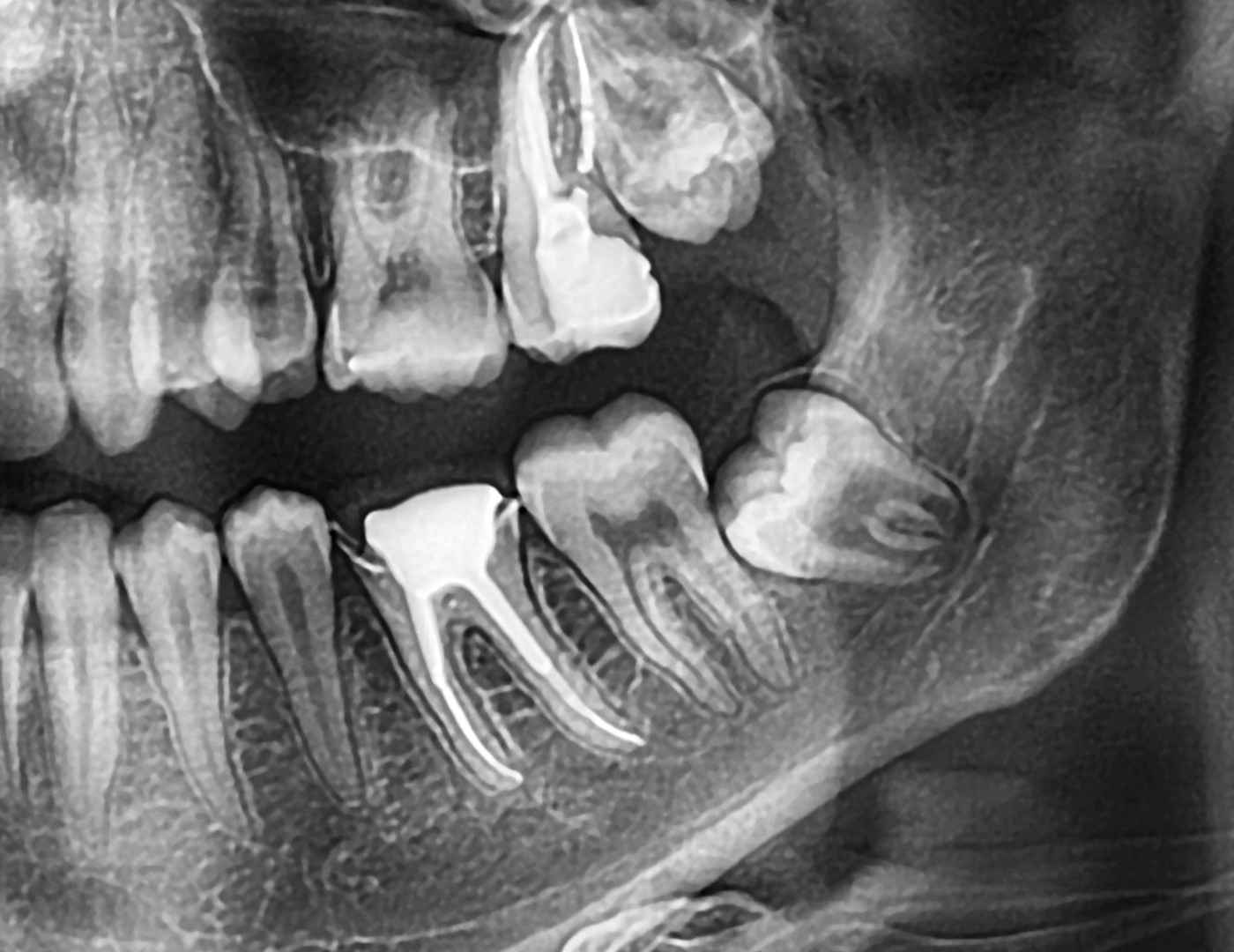
In certain cases, especially with lower teeth, nearby nerves might get a bit irritated. This may cause tongue, lip, or chin tingling, numbness, or pins and needles. Most people lose this feeling after a few weeks or months. Although rare, your dentist always checks for permanent nerve issues using imaging and clinical assessments.
Final Thoughts
Recovery is not complicated, but it does require you to be consistent. Most people heal without any major problems. The real trick is knowing what is normal and reaching out early if something feels wrong. If you have discomfort that gets worse instead of better, unusual swelling, or bleeding that will not stop, just give your dentist a call. A little bit of preparation turns a potentially scary procedure into a manageable experience.